
The Benefits of Creating a Facility Master Plan
Insights from BOSCA Sponsor MMTH
When you think about sports facilities upgrades, you probably think of the multimillion-dollar projects that take years to complete. Upgrades can cost a lot of time and resources.
But small college athletic programs don’t need massive budgets to make a difference. They need a plan.
A facilities master plan is a roadmap that helps you plan for long-term growth, renovations, and improvements. It helps athletic departments navigate opportunities, align their investments, and make smarter use of smaller budgets.
Small College Budgets. Big College Value.
One of the biggest mistakes that institutions make is spending money in the wrong place. But for a fraction of the cost of a major renovation, a facilities master plan helps you identify and prioritize both immediate and long-term needs that don’t always make the spotlight. For smaller institutions, that makes the difference between investing with purpose and spending on temporary fixes that don’t solve the problem.
The facilities master plan also allows projects to be phased over time. Institutions can make progress on their schedule without taking on overwhelming financial commitments in one go.
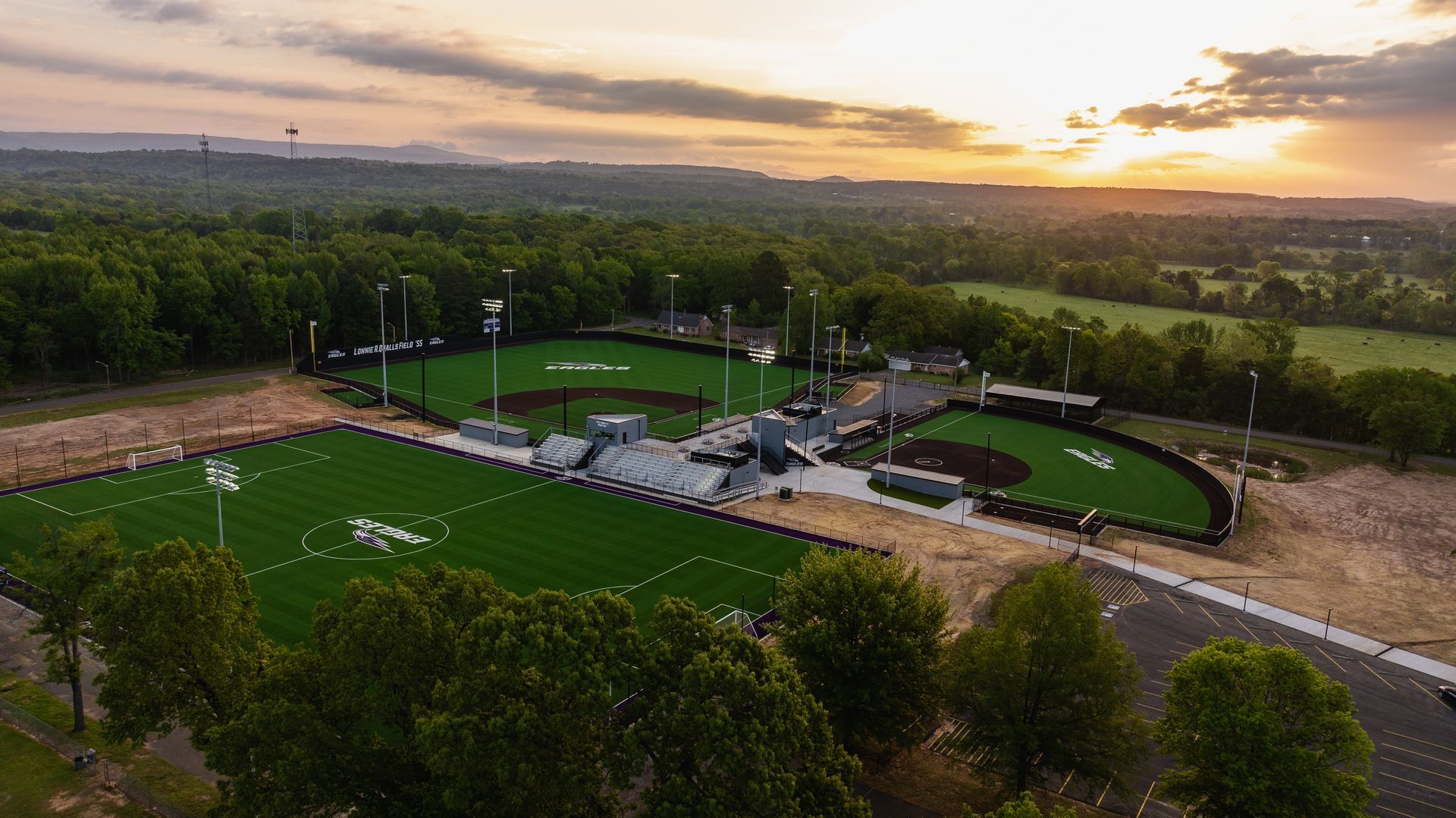
University of the Ozarks Athletic Complex, Clarksville, AR
Maximize Your Resources
Over the past 12 years, the number of student-athletes enrolled in D2 and D3 schools has grown exponentially. In 2014, there were 292,600 athletes. Today, there are more than 350,000. That’s a 20% increase with a growth trend expected to continue.
Facilities, however, haven’t always kept up. Run-down facilities can impact recruiting, retention, and the student-athlete experience. Rather than starting from scratch, a facilities master plan helps your institution maximize existing facilities and build on what already exists.
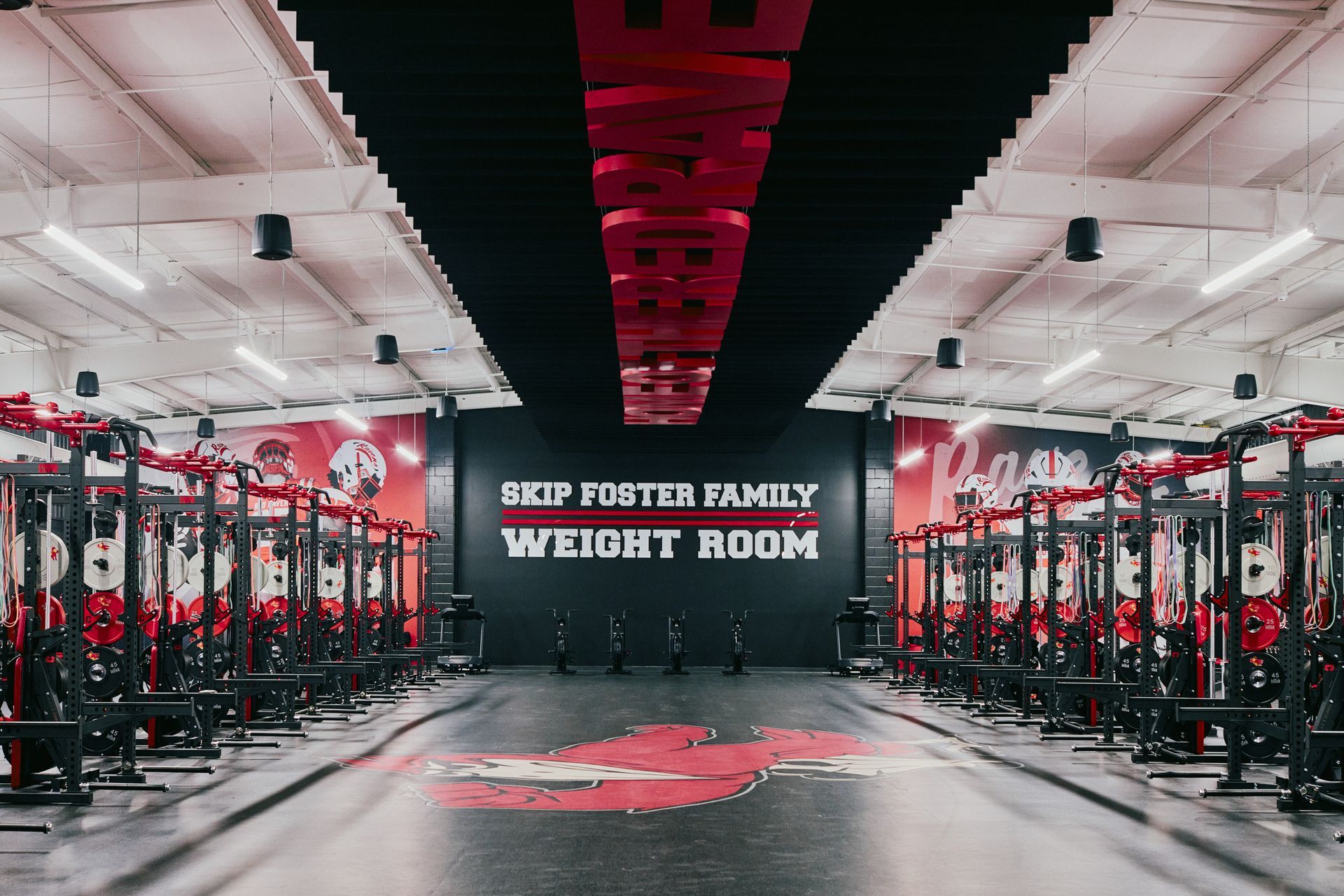
Dick Foster Athletic Complex, Coffeyville Community College - Coffeyville, KS
Multi-use facilities that serve athletics, students, and the community create more value for institutions without taking up more space. Flexible spaces increase usage, generate revenue, and strengthen campus connections.
Small facility upgrades, like improved locker rooms and training areas, deliver a big impact. These turn into study halls, workout spaces, and areas to gather, supporting not just athlete performance, but the student experience.
Plan to Win
Your facilities master plan helps you look five to ten years down the road, not just to the next semester. It’s a tool for helping you prioritize your projects. Whether you're improving student life, supporting enrollment growth, or addressing outdated facilities, this project helps you determine which projects matter.
It gives leadership a framework to evaluate priorities: Does this move us closer to our goals—or further away? That question changes conversations. It brings clarity to board discussions, strengthens donor alignment, and gives leaders the confidence to say no to projects that don’t support the broader vision.
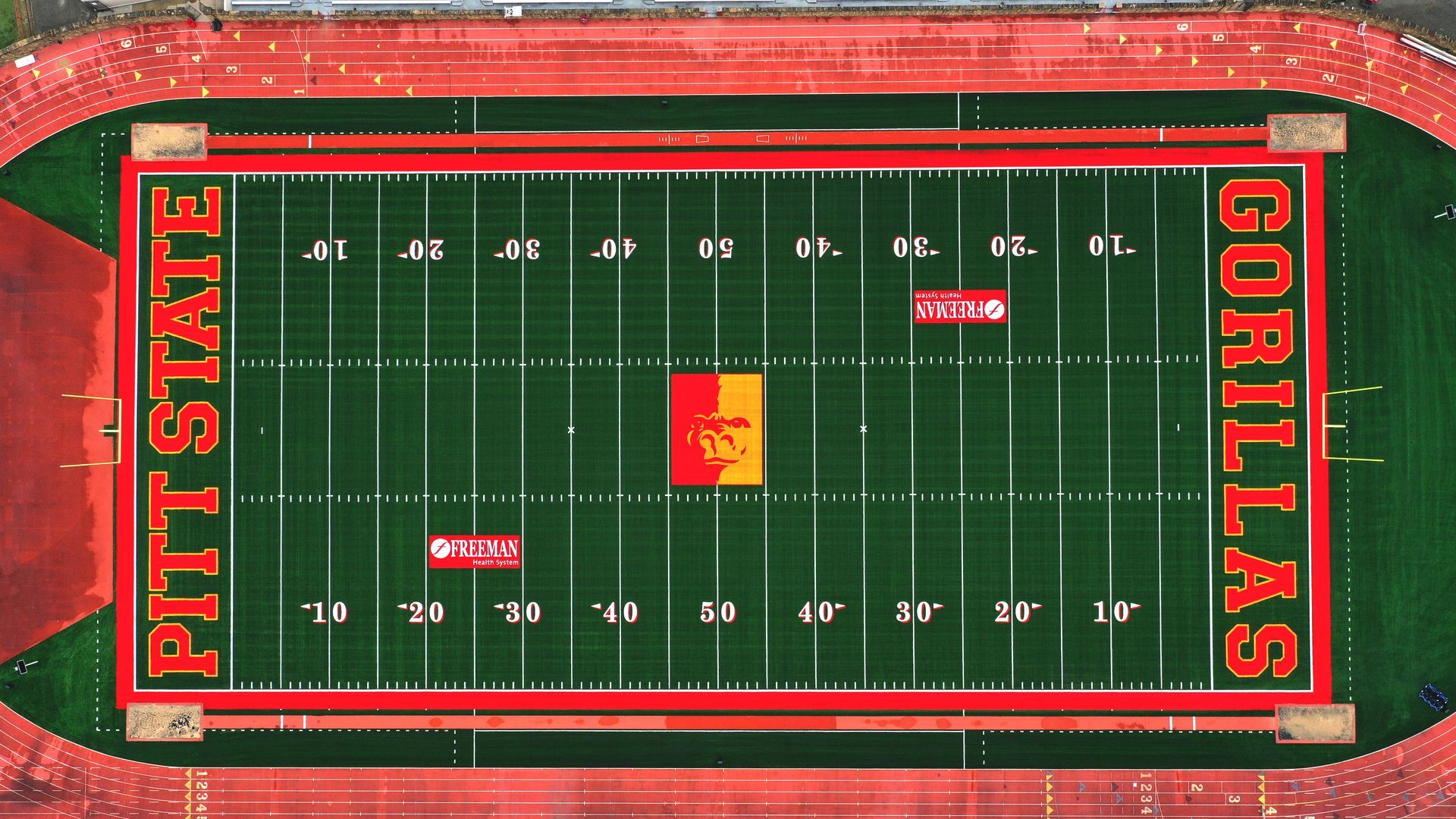
Carnie Smith Stadium, Pittsburg State University - Pittsburg, KS
The MMTH approach to master planning puts design, estimating, and construction operations at the table from the beginning. As a full-service design-build company, MMTH designs master plans with a deep understanding of both construction challenges and budgets. We provide a clear path with milestones for how projects can be executed, so they don’t just sit on the shelf collecting dust.
Bring It Home
You don’t need a massive budget. You need a clear direction.
A facilities master plan is a roadmap that turns uncertainty into strategy. It helps your program make decisions, maximize every dollar, and build facilities that support your goals. When you’re ready to turn ideas into action, our team is here to help you execute and elevate your program.
Explore our portfolio of work at mmth.co